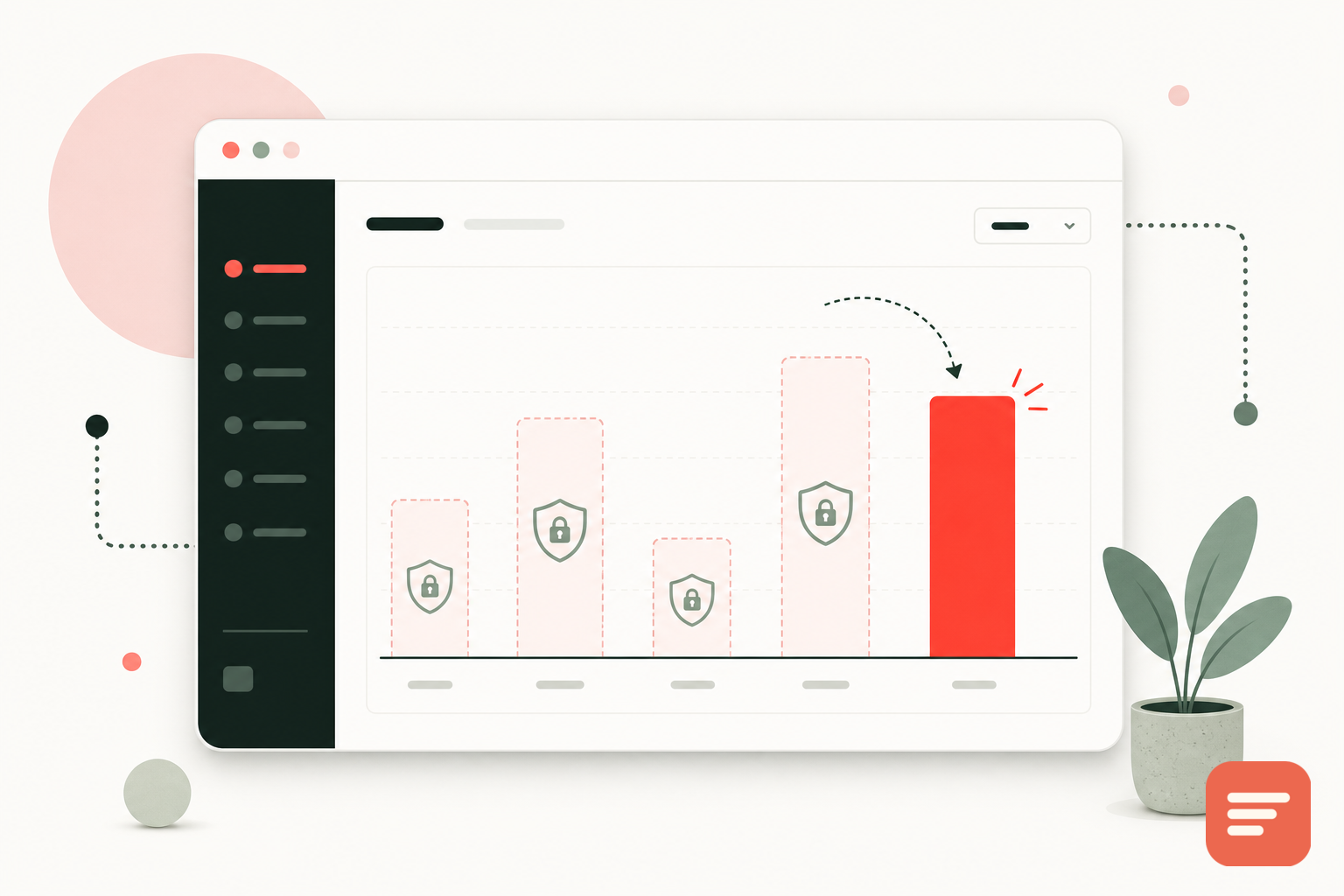
Picture two people reading the same article on your site at the same moment. One shows up in your analytics dashboard. The other simply does not exist, as far as your reports are concerned. Same content, same interest, same session length. The only difference is a browser extension that quietly refused to load your tracking script. You will make next month's decisions based on the first person and never know the second one was there.
This is the uncomfortable open secret of web measurement: a meaningful chunk of your audience is invisible to conventional analytics, and it has been getting more invisible every year. If you have ever felt that your traffic numbers seem low compared to how busy your inbox, your comments, or your sales look, this is often the culprit.
Why the numbers go missing
Traditional analytics tools work by loading a JavaScript file from a third-party domain, firing off a beacon for each pageview, and often dropping a cookie to recognize the visitor later. Every one of those steps is exactly what privacy tooling is built to stop.
Ad blockers and tracker blockers ship with blocklists. Those lists are stuffed with the domains and script filenames used by the most popular analytics platforms, because for years those platforms doubled as advertising and profiling infrastructure. So when a blocker sees a request going out to a well-known tracking endpoint, it kills the request before it ever leaves the browser. No beacon, no pageview, no record.
And it is not just browser extensions anymore. The blocking has moved into places you cannot influence:
- Built-in browser protections. Several mainstream browsers now block known trackers by default, no extension required. The user never opted in and may not even know it is happening.
- Private and focus modes. Stricter privacy settings routinely clamp down on third-party scripts and storage.
- Network-level blocking. DNS-based filters and privacy-minded routers can drop tracker domains for an entire household or office at once.
- Cookie fatigue. Even when the script loads, a visitor who declines your consent banner may be excluded from measurement entirely, depending on how you have wired things up.
Stack those together and you are not talking about a rounding error.
How big is the gap, really
Here is where I will be honest rather than dramatic: there is no single true number, and anyone who quotes you one to the decimal point is guessing. The share of blocked traffic swings wildly depending on who visits you.
The rough shape of it, though, is consistent. A general-audience site aimed at, say, casual shoppers or older readers tends to lose a smaller slice. A site whose audience skews technical, young, or privacy-aware can lose a much larger one. If you run a developer tool, a gaming community, or anything that attracts the sort of person who installs browser extensions for fun, your blind spot can be startlingly wide. It is entirely plausible for a technical audience to hide a double-digit percentage of real humans from a conventional tracker.
Think about what that means. The very audiences most worth understanding, the engaged and the technical, are the ones most likely to be missing from your data. You are best informed about the visitors you understand least, and least informed about the ones you should be courting.
Why this quietly corrupts decisions
Undercounting would be harmless if it were uniform, if every page and every channel lost the exact same slice. Then your numbers would be smaller but the proportions would hold, and relative comparisons would still work. The problem is that the loss is lopsided.
Different traffic sources carry different kinds of people. A link shared in a technical newsletter delivers a blocker-heavy crowd. A post that goes around a mainstream social feed delivers a lighter one. So when you compare those two channels in a tool that only counts the visible, you are not comparing apples to apples. You are comparing a full basket to one with a hole in the bottom, and the hole is a different size each time.
Undercounting is survivable. Uneven undercounting is what quietly steers you wrong, because it distorts the comparisons you actually make decisions with.
The downstream effects are subtle and expensive. You might underinvest in a content topic that is secretly your best performer, because its readers block trackers. You might misjudge which acquisition channel is working. You might celebrate a redesign that only appeared to lift numbers because it happened to draw a less-blocked crowd that week. None of these mistakes announce themselves. They just accumulate.
How privacy-first analytics recovers the lost visitors
The fix is not to fight the blockers. They are protecting real people from real surveillance, and that is a good thing. The fix is to measure in a way that does not trip the wires in the first place.
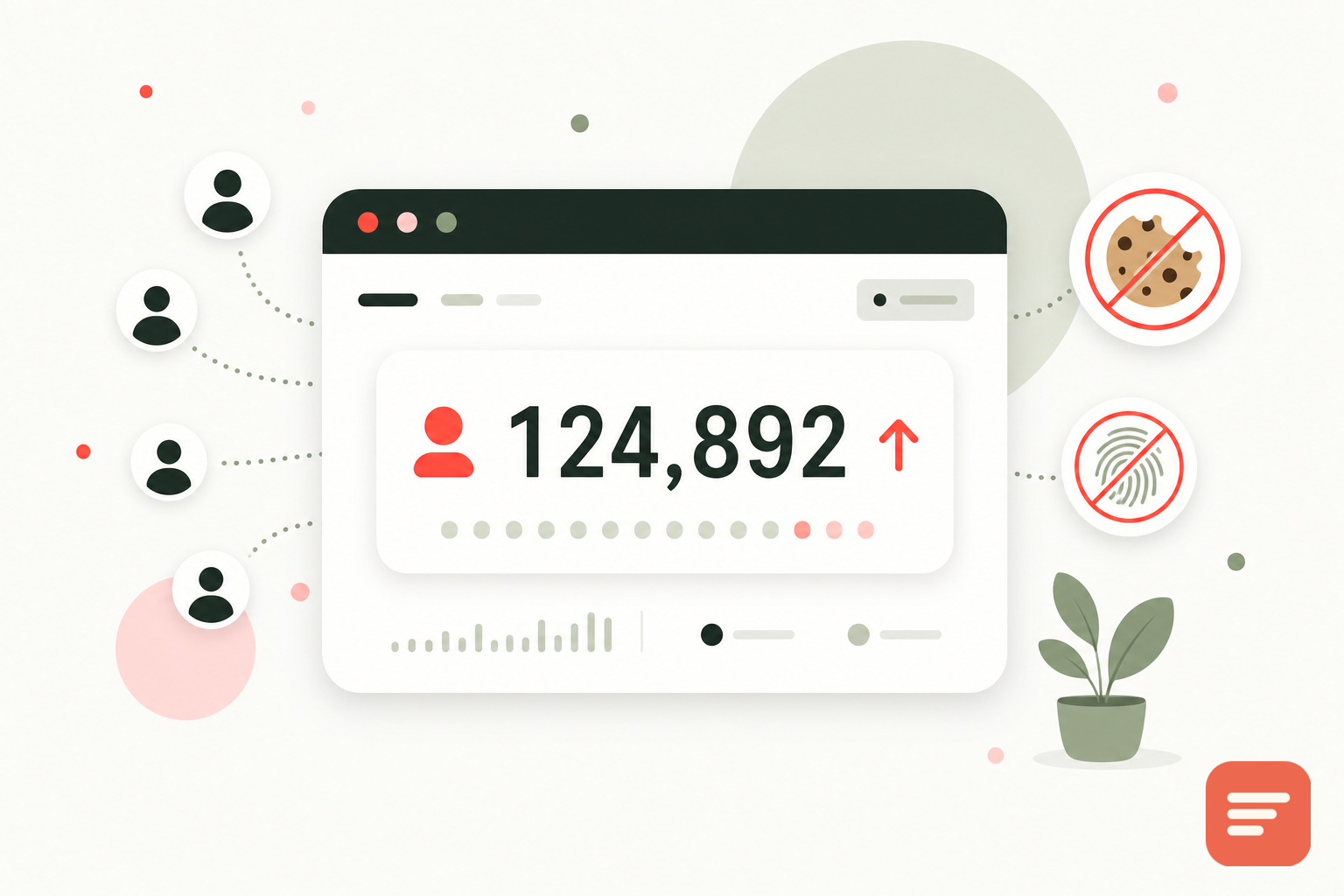
Privacy-first analytics tools take a fundamentally different posture. Because they do not set tracking cookies, do not build cross-site profiles, and do not store personal identifiers, they are not the thing blocklists were built to stop. A tool that collects an aggregate, anonymous pageview and then forgets you looks nothing like an advertising tracker, so it tends to sail through where the old scripts got shot down.
Several design choices tend to travel together in these tools:
- No cookies, no persistent IDs. There is nothing to consent to under most regimes, so the whole consent-banner exclusion problem largely evaporates.
- Lightweight, single-purpose scripts. A tiny script that does one honest job is far less likely to appear on a blocklist than a sprawling one that also feeds an ad network.
- Aggregate counting over individual tracking. You learn that a page got a thousand views without learning who each viewer is. For most decisions, that is all you ever needed.
- No IP storage. Respecting the visitor at the network level keeps you on the right side of both the law and the blocklists.
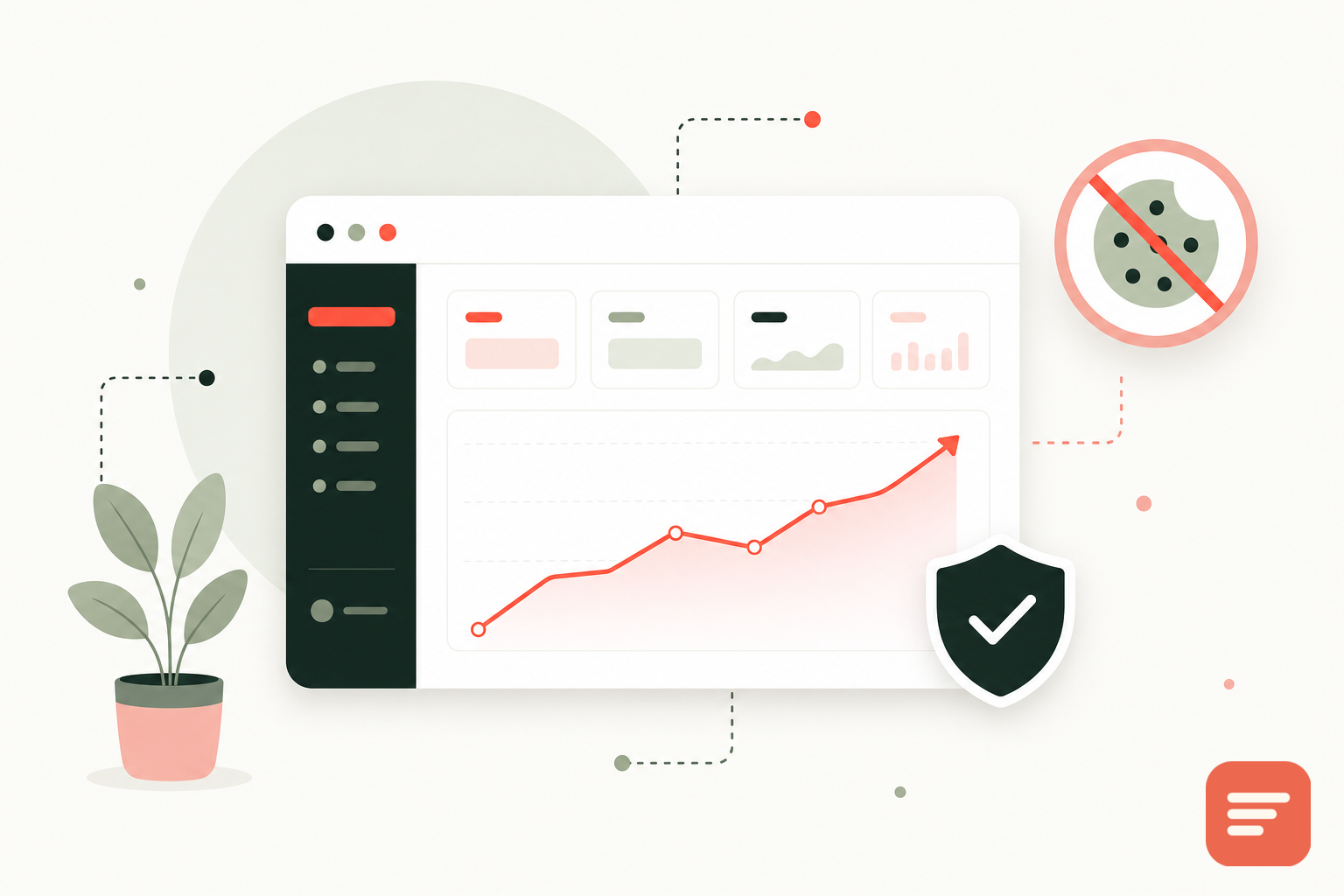
The practical payoff is a truer denominator. When more of your real audience shows up in the count, and shows up more evenly across channels, your comparisons start meaning what you think they mean. This is a big part of why Gabden Analytics was built cookieless from the ground up, storing no IP addresses and setting nothing to consent to. It is not only friendlier to your visitors; it is simply a more complete picture, because it recovers the people conventional tools were losing.
What to do with this
You do not need to rip anything out tomorrow. Start by getting suspicious in a productive way.
Run a privacy-first tool alongside whatever you use today, even for a couple of weeks. Compare the two side by side and pay attention to the gap, not just the totals. Look especially at your most technical pages, your developer docs, your newsletter landing pages. If those show the widest divergence between the two tools, you have just located exactly where you have been under-informed.
Then recalibrate your instincts. Treat traditional analytics numbers as a floor, never a ceiling: the real figure is always at least that, usually more, and more by an unknown and uneven amount. When two channels look close in a blocker-heavy report, treat them as a tie rather than declaring a winner. And when you can, lean on the source that does not have a hole in the basket.
The traffic you never saw was always there, reading, clicking, converting, and blocking your tracker on the way in. Measuring in a way it does not reject is how you finally get to meet it. If you want to see how much of your own audience has been hiding, spinning up a cookieless view of your site is a quick and quietly eye-opening place to begin.
Cookieless, server-light analytics like Gabden Analytics sidesteps most of this: there is no third-party script for blockers to target and no cookie to consent to. If the gap between tools bothers you, why your new analytics numbers don't match Google unpacks it, and counting visitors without cookies shows how the counting actually works. You can add it to a site free in one tag.
Join the discussion