
What "privacy-focused" should mean
Plenty of tools call themselves privacy-focused, so the phrase has lost some weight. It is worth being specific about what it should mean for a comment system, because a comment box is a place where readers hand over words, and often a name and email, in exchange for taking part. That exchange should be honest: they give you a comment, and you do not quietly turn them into a tracked profile in return.
Concretely, a privacy-first comment system does not do the things that make comment widgets a common privacy complaint. It does not set tracking cookies, it does not fingerprint the browser, and it does not follow readers across other sites. It does not sell an advertising business on the back of your audience. Anything less than that is a comment tool that happens to mention privacy, not one built around it.
The parts to check
Tracking cookies
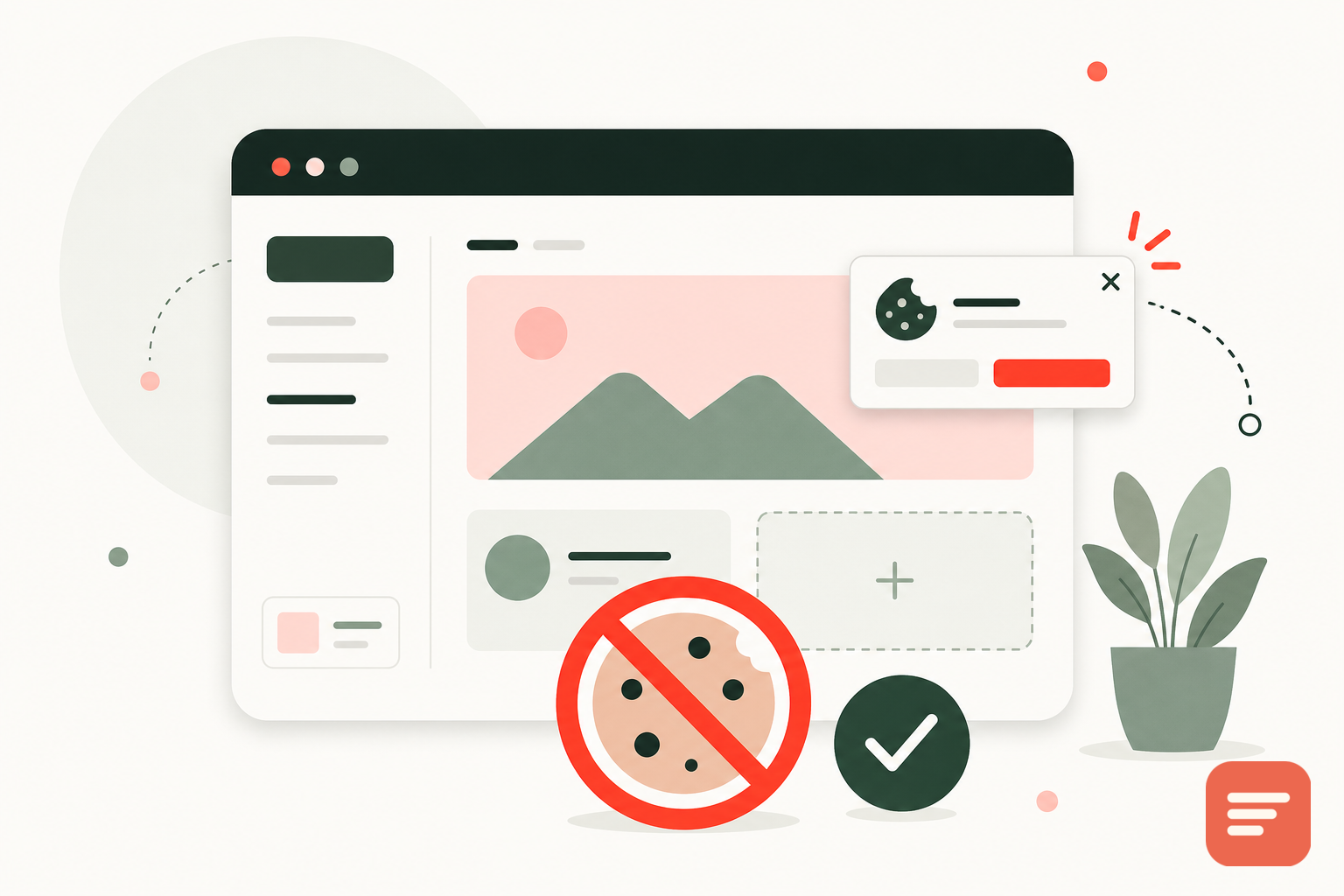
Many comment widgets set cookies that persist and identify a reader across visits and across sites. Those cookies are what trigger consent banners and what make readers uneasy. A privacy-first system avoids them. Gabden uses no tracking cookies.
Fingerprinting
When cookies are blocked, some tools fall back to fingerprinting: building a stable identifier from your browser and device characteristics. It is harder to see and harder to opt out of than a cookie. A privacy-first system does not do it. Gabden does no fingerprinting.
Cross-site tracking
The biggest concern with the largest comment networks is that one widget embedded on thousands of sites can observe readers across all of them. That cross-site view is valuable for advertising and corrosive for trust. Gabden does no cross-site tracking.
Analytics
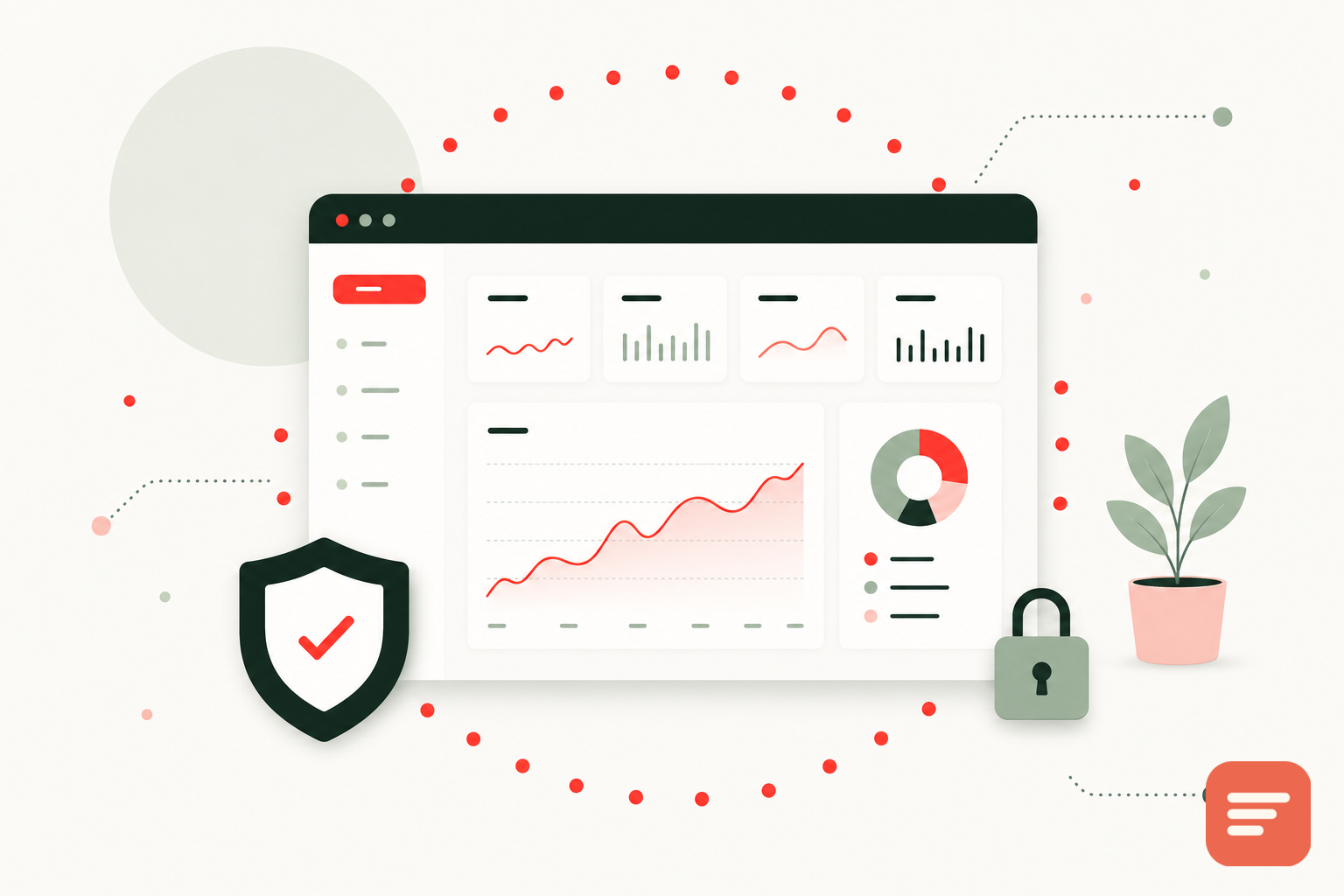
You still want to know if the comment section is used, but you do not need to surveil individuals to learn that. Aggregate, anonymous analytics tell you volume and activity without profiling anyone. That is what Gabden reports.
Identity without surveillance
Privacy does not mean anonymity is the only option. It means readers choose how much to reveal. With Gabden they can post anonymously, comment as a guest with just a name and email, or sign in with Google or GitHub if they want a persistent profile. Each of those is a deliberate choice by the reader, not a default that quietly follows them. Lower-friction identity also tends to produce more comments, so privacy and participation pull in the same direction here.
Owning your data
Privacy is not only about what happens to readers; it is about who controls the record. If your comments live inside a platform you cannot export, you do not really own the discussion. Gabden lets you export all your comment data as JSON or CSV at any time. If you ever leave, you take the conversation with you, and because threads are keyed to page URLs, they map cleanly onto wherever your content lives next.
Why this makes compliance simpler
A system that does not track by default is easier to reason about under privacy law. When there are no tracking cookies and no cross-site profiling, your consent story is shorter and your privacy policy has less to disclose about third parties. This is not legal advice, and your obligations depend on your jurisdiction and how you configure things, but starting from a tool that collects less is a genuine advantage. There is more detail in a GDPR-compliant commenting system.
What you do not give up
Choosing privacy-first does not mean a stripped-down widget. You still get threaded replies, reactions (like and heart), a spam and pending queue, a blocked-word filter, moderation modes, per-page rules, team roles, and light and dark themes. The embed is about 10KB and loads asynchronously, so the privacy stance comes with a speed benefit rather than a tradeoff. You add it with one script tag and copy your site key from the dashboard after you register.
Privacy-first comments are not a niche feature for a few strict readers. They are the version of comments that treats your whole audience the way you would want to be treated. For a related read on keeping control of the record, see own your blog comment data.

Join the discussion