
Toxic is not the same as critical
The first job in managing toxic comments is telling them apart from comments you simply do not like. A reader who disagrees sharply, points out an error, or pushes back on your argument is not being toxic. That is discussion, and removing it teaches your audience that dissent gets deleted. Toxicity is different: it is aimed at people rather than ideas. Personal attacks, slurs, threats, harassment that follows someone across threads, and deliberate provocation meant to derail rather than contribute. The line is roughly this: criticism targets the argument, toxicity targets the person. Keep the first, act on the second.
Why it spreads if you ignore it
Toxic comments do damage out of proportion to their number. One abusive thread can drive away the thoughtful readers you most want to keep, because reasonable people do not want to wade through hostility to take part. Left alone, toxicity also sets a norm. If the nastiest comment stays up unchallenged, others read that as permission. Moving early, while a thread is still small, is far easier than reclaiming a comment section that has already curdled.
A practical playbook
Set expectations before trouble starts
A short, visible comment policy does real work. It gives you a fair basis for removals and it tells good-faith readers what kind of space this is. You do not need legalese. A few plain lines about attacking ideas rather than people covers most of it. We have a starting point in our blog comment policy template.
Catch the obvious cases automatically
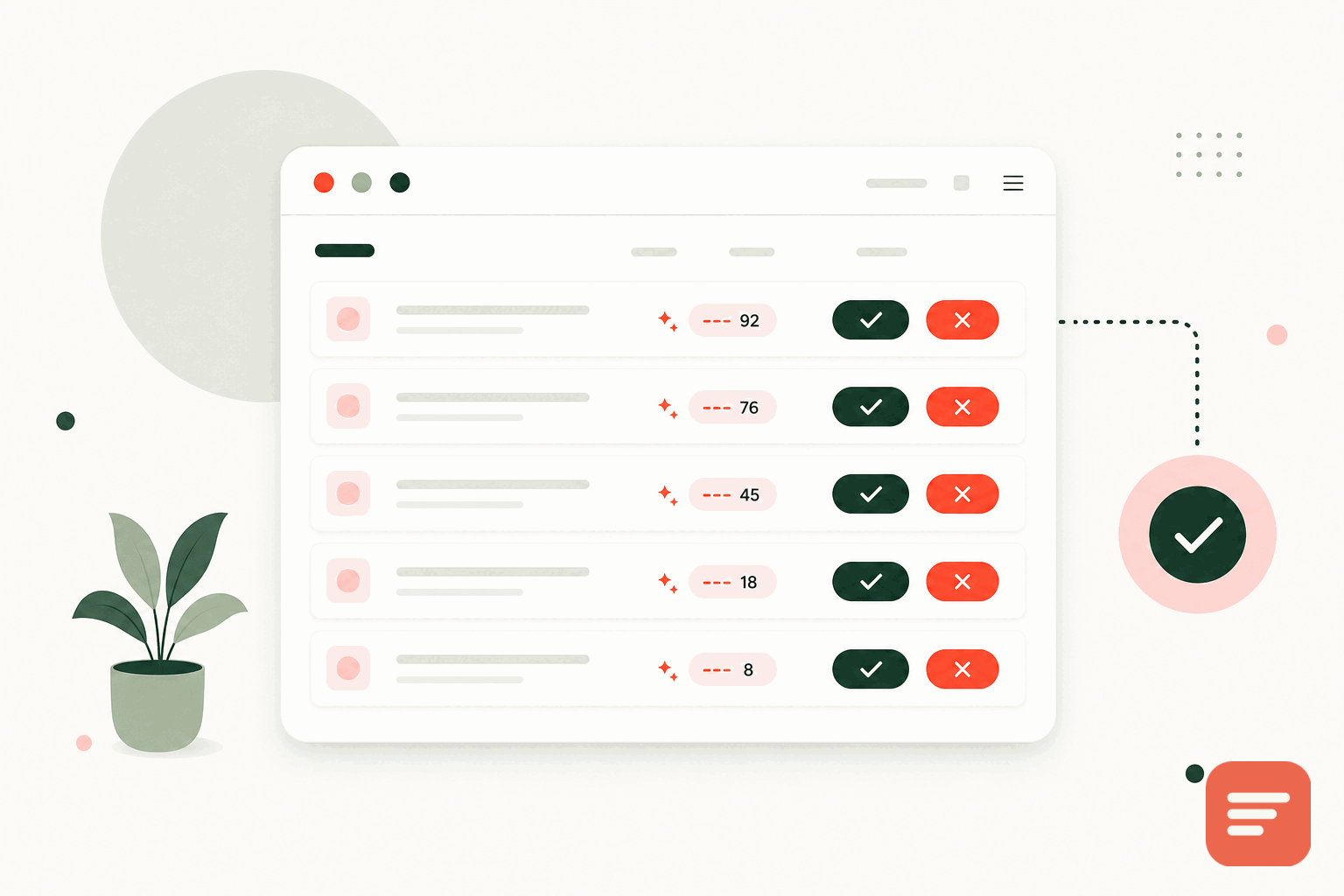
You should not be reading every slur by hand. Gabden's blocked-word filter holds comments containing terms you choose, and the spam and pending queue keeps flagged material out of public view until you look. Set the filter for the words that never belong on your site and you cut the volume of manual work sharply.
Match your moderation mode to your risk
If your topic attracts heat, pre-moderating everything or at least moderating anonymous users buys you a beat to review before anything goes live. Gabden lets you pre-moderate everything, auto-approve, auto-approve returning verified people, or moderate only anonymous users. A common setup is to trust returning verified people automatically while holding anonymous posts for review, which is where a lot of drive-by abuse comes from.
Defuse before you delete
Not every heated comment needs removal. A calm, factual reply can lower the temperature and model the behavior you want. Answer the substance if there is any, ignore the bait, and do not match the tone. Other readers are watching how you handle it, and steadiness reads as strength.
Remove when you need to, without a debate
When a comment is clearly abusive, remove it and move on. You do not owe a public trial to a slur. If the same person keeps coming back, you have the tools to hold their contributions for review. Handle it quietly rather than turning the removal itself into a spectacle.
Deleting criticism makes you look defensive. Deleting abuse makes your comment section safe. Knowing which is which is most of the skill.
Protect yourself while you moderate
Moderating toxicity is draining, so build in some armor. Share the load with team roles and per-module permissions so one person is not absorbing all the hostility. Batch your moderation into set times rather than reacting to every notification, which keeps the worst comments from setting the rhythm of your day. And remember that removing an abusive comment is not censorship of ideas. It is maintenance of a space where ideas can actually be discussed.
Keep the space open
The goal is not a sterile comment section with no disagreement. It is a place where people can argue about the subject without being attacked as people. That balance is what keeps thoughtful readers contributing. Gabden's privacy stance helps here too: with no tracking cookies, no fingerprinting, and reader identity handled through anonymous, guest, or Google and GitHub sign-in, people can take part honestly without feeling exposed, which tends to raise the quality of what they write.
Where to start
Write a two-line policy, set your blocked-word list, and pick a moderation mode that matches your topic. That handles the routine cases and leaves you deciding only the genuinely hard ones. You can set all of it up on a live page after you create a free account. For the harder end of the problem, see how to handle negative blog comments.


Join the discussion